Table Of Content

It’s available in 29 different shades, so you’ll be able to find a close match to your desired hair color. Unfortunately, there isn’t a clear answer here, as each person’s circumstances will vary. “Ensure you’re taking care of yourself and listening to your body when it comes to taking a break or needing to rest,” Reavey says.
Will using hair dye increase the chance of pregnancy loss?
Many women color their hair, whether it’s just a few highlights or a shade completely different from their own. Pregnancy and hair dyeing aren’t typically thought to be compatible, but advances in the beauty industry have made it easier to change your look during pregnancy. Read on to see what you can and can’t do with your hair while pregnant.
Is hair dye safe to use whilst breastfeeding or chestfeeding?
One of these choices that may give many pregnant women a reason to pause is whether or not to dye their hair while pregnant. Whether you want to give your hair a refresh or are keen to know more about the alternatives to hair dye, here’s our expert advice on whether you can still dye your hair during pregnancy. Semi-permanent hair color gives you the flexibility to switch up your look without the permanence of dying it forever.
Best Practices for Coloring Hair While Pregnant
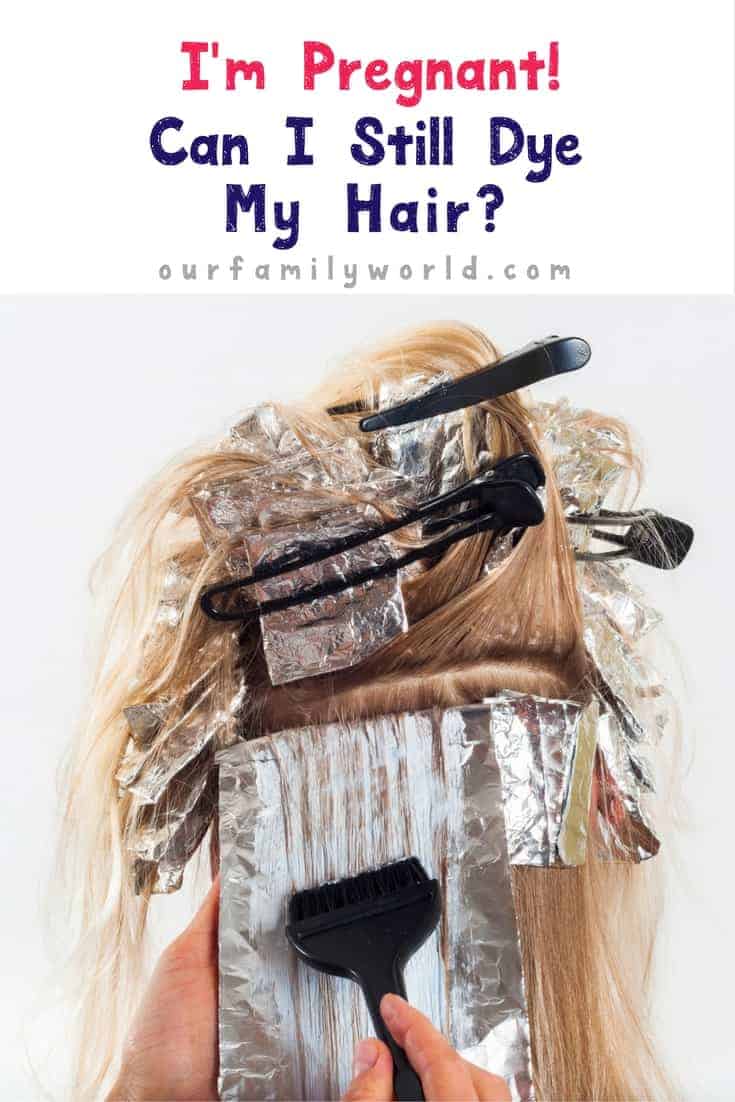
Still, while it’s generally considered safe to dye your hair during pregnancy, Reavey recommends avoiding it until the second trimester. “The first 13 weeks of pregnancy are critical for baby’s growth, so I’d err on the side of caution and avoid using hair dyes during this time,” she explains. Or, if you’re looking for a new hairstyle, but hesitant about completely dyeing your hair during pregnancy, Reavey recommends opting for highlights. “This will change the color and dynamic of your hair, without directly putting color on the scalp,” she says. Ross agrees, noting that treatments like highlights, streaking and frosting have little contact with the scalp and can be safer alternatives during all trimesters of pregnancy.
Consider Different Options for the Kind of Hair Color Treatment You Might Use
It's not recommended to dye hair during the early months of pregnancy. Many critical developmental milestones occur during this trimester. For instance, your baby's brain begins to develop around weeks six and seven of your first trimester, therefore, it is best to avoid adding chemical dyes to your scalp at this time.
This is another pregnancy-safe option that relies on natural ingredients like rosemary and walnut husk instead of ammonia or parabens. The dye is designed to both tone your color and smooth your locks, leaving you with a rich color that won’t add frizz. Reviewers raved that this hair dye — which is available in 36 shades — left their hair feeling soft and moisturized, but noted there was no plastic container or applicator included for stirring the color. However, colors might set darker than expected, so it might not be the best brand if you want to lighten up your hair color. According to both Ross and Reavey, previous research has shown that it’s unlikely dyeing hair while breastfeeding poses any increased risk to baby. “As long as you follow the same guidelines recommended during pregnancy, there should be no harm done to your breastfed baby,” Ross reassures.
Can you dye your hair while pregnant?
Being pregnant can make your skin incredibly sensitive to intense chemicals. “If you’re getting a perm or relaxer treatment done at the salon, ask them about their ventilation practices. You don’t want to be getting a treatment done with two or three other people without ventilation. There are many hairstyles that don’t require that your stylist apply dye to your scalp. Balayage, for example, gives your hair an ombre effect, with the artificial color being applied at the bottom of your hair and fading as you go up.
That said, Reavey emphasizes the importance of using safer dyes that are ammonia- and peroxide-free. Hair dyeing may not be the only beauty treatment to be concerned about if you’re pregnant. Coloring is just one of several chemical processes that women use on their hair, and each type may have an effect on pregnancy. Curling, or a permanent wave, is created by using two different solutions on the hair. The first is the waving solution, giving your curls the desired tightness, while the second acts as a neutralizer to stop the curling process. However, if used correctly, the quantity of chemicals absorbed during the hair dyeing process should not be harmful to a fetus.
Adding hair dye or other chemical treatments to unhealthy hair can damage it. If you’re having your hair dyed in a salon, tell your hair stylist about your pregnancy right away. “As long as you’re going to an accredited salon that has a well-ventilated space and takes proper safety precautions, there should be no cause for alarm,” says Dr. DiSabatino. Even if you’re not pregnant, you should take these same precautions. The most common active chemicals used in hair dye include ammonia, peroxide and paraphenylenediamine (PPD). Ammonia raises the pH level of the hair so color change can occur, peroxide takes away the natural color in hair produced by melanin and PPD applies the pigment.
Yes, You Can Dye Your Hair While Pregnant — Here's Safety Tips - Business Insider
Yes, You Can Dye Your Hair While Pregnant — Here's Safety Tips.
Posted: Tue, 17 Nov 2020 08:00:00 GMT [source]
You could try a safer alternative such as a semi-permanent pure vegetable dye, like henna. Pregnancy can cause changes in your skin, like sensitivity and rashes. It can also bring underlying genetic conditions, like eczema, to the surface. You may be newly allergic or sensitive to a dye that never bothered you before. Studies about their effects regarding pregnancy are mostly incidental, so their overall safety is something to be cautious about.
The nonprofit organization Mother To Baby states that no studies on human pregnancy suggest that using hair dye during pregnancy can increase the chance of pregnancy loss. A person should perform a patch test every time they dye their hair. A patch test involves applying a small amount of dye to a person’s skin before dyeing their hair. Always do a strand test first, whether you're using hair dye for the first time or it's a product you've used before. If you ignore or misuse the hair dye, it can lead to complications that you could otherwise avoid. If any of these symptoms appear, you can try another hair dye or wait until later to dye your hair.
Can You Dye Your Hair While Pregnant? - Shape Magazine
Can You Dye Your Hair While Pregnant?.
Posted: Thu, 28 Jul 2022 07:00:00 GMT [source]
If you want to dye your hair while pregnant, it's probably best to wait until after the first trimester. However, when it comes to hair dye, only a small amount of chemicals get absorbed through the scalp. This means that the risk of those chemicals entering your bloodstream and reaching your baby is minimal. For this reason, the American College of Obstetricians and Gynecologists states that hair coloring during pregnancy is not toxic. If you're in a high-risk pregnancy or feel uneasy about interacting with chemicals during pregnancy, consider plant-based dyes as an alternative. Consult a healthcare provider on the safest plan for you and your baby.
This is a semi permanent hair due, which means it will fade in about 4-6 weeks, depending on how well you take care of your hair and how often you wash it. Dr. Green notes that as a general rule, everyone should steer clear of these two chemicals, not just pregnant women, since parabens and phthalates are known endocrine-disrupting chemicals. But “with hormones already going haywire during pregnancy, we don't want to add any fuel to the fire or do anything to impede the body's natural processes,” says Dr. Green. You can dye your hair at any point during pregnancy, and experts advise taking cautionary measures (i.e., gloves and a well ventilated area) regardless of how far along you are. But some stages of fetal development are more sensitive than others. What to Expect is the world’s most trusted pregnancy and parenting brand for a reason.
It’s made from pure henna leaves, so it will only make your hair darker. There are no color options — you determine the shade based on the amount you use. You can adjust the ratio of liquid you use in your paste and how long you leave it in your hair to determine how dark you go. According to Ross, as long as you’re carefully following FDA safety guidelines, it’s safe to get your hair dyed every six to eight weeks. However, not all of these hair dyes are equally safe for use during pregnancy. Keep reading to know what types of dye are safest for you and baby.


No comments:
Post a Comment